Nutrition and Hormones: Supporting Your Body from the Inside Out
Nutrition is a foundational pillar of hormonal wellbeing. What we eat shapes the delicate interplay of hormones that regulate energy, mood, metabolism and hormone health. The body’s endocrine system is highly responsive to the nutrients consumed, making food a powerful tool for maintaining balance.

The Role of Macronutrients and Micronutrients
Proteins, fats, and carbohydrates each play distinct roles in hormonal function. Protein provides amino acids necessary for neurotransmitter synthesis, including serotonin and dopamine, which influence mood and cognitive function¹. Healthy fats, particularly omega 3 fatty acids, are critical for cell membrane integrity and hormone production, including sex hormones and adrenal steroids². Complex carbohydrates, especially from high fibre sources, support stable blood glucose and insulin regulation³.
Strategies to support hormonal function: Incorporate high quality protein sources such as eggs, fish, legumes, and nuts in each meal. Include omega 3 rich foods like oily fish, chia seeds, or walnuts, and prioritise colourful vegetables and whole grains to provide stabilising micronutrients and fibre.
Micronutrients such as zinc, magnesium, B vitamins, and vitamin D are also essential for optimal hormonal function. Magnesium, for instance, is a cofactor in over 300 enzymatic reactions, including those involved in cortisol regulation⁴. Vitamin D modulates hormones and has been linked to improved mood and metabolic outcomes in women⁵.
Supporting your nutrient intake: Include magnesium rich foods such as leafy greens, pumpkin seeds, or dark chocolate, and consider monitoring vitamin D levels to maintain optimal hormone modulation.
Gut Hormone Signalling
The gut plays a central role in hormone regulation. Fermented foods and prebiotic fibres support a healthy microbiome, which influences estrogen metabolism and supports cortisol balance⁶. Dysbiosis, or an imbalance in gut bacteria, can disrupt hormone signalling, contributing to mood disturbances, insulin resistance, and inflammatory states⁷.
Strategies to support your gut: Integrating fermented foods such as kefir, kombucha, and sauerkraut, alongside prebiotic rich vegetables like onions, garlic, and asparagus, continues to nurture the gut microbiome and strengthen these hormonal pathways.
Supporting gut hormone balance can be further enhanced with targeted formulations. Zela’s Sleep+Calm formula contains a clinically supported probiotic strain, Lactobacillus plantarum, alongside a medicinal prebiotic derived from Actinidia deliciosa⁸. This combination promotes deep, restorative sleep while optimising gut hormone communication, illustrating how microbiome support can enhance the gut brain axis and contribute to overall hormonal wellbeing.
Minimising Dietary Stressors
Excess sugar, alcohol, and highly processed foods place a burden on detoxification pathways and can disrupt metabolic and hormonal balance⁹. Chronic consumption of these foods is associated with insulin resistance, dysregulated cortisol, and altered hormone levels in women¹⁰.
Nutritional approaches to restoring balance: Reduce highly processed foods, moderate alcohol intake, and replace refined snacks with nutrient dense alternatives such as nuts, seeds, and fresh fruit to minimise strain on hormonal regulation.
Supporting Daily Rhythms
Hormonal balance is closely linked to daily patterns of eating and fasting. Regular, nutrient rich meals help stabilise circadian rhythms and support adrenal function.¹¹ Aligning macronutrient intake with activity patterns enhances metabolic efficiency and hormone signalling.
Optimising daily rhythms: Begin the day with a balanced meal including protein, healthy fats, and complex carbohydrates. Reserve lighter, easily digestible meals in the evening to support restorative sleep and overnight hormone regulation.
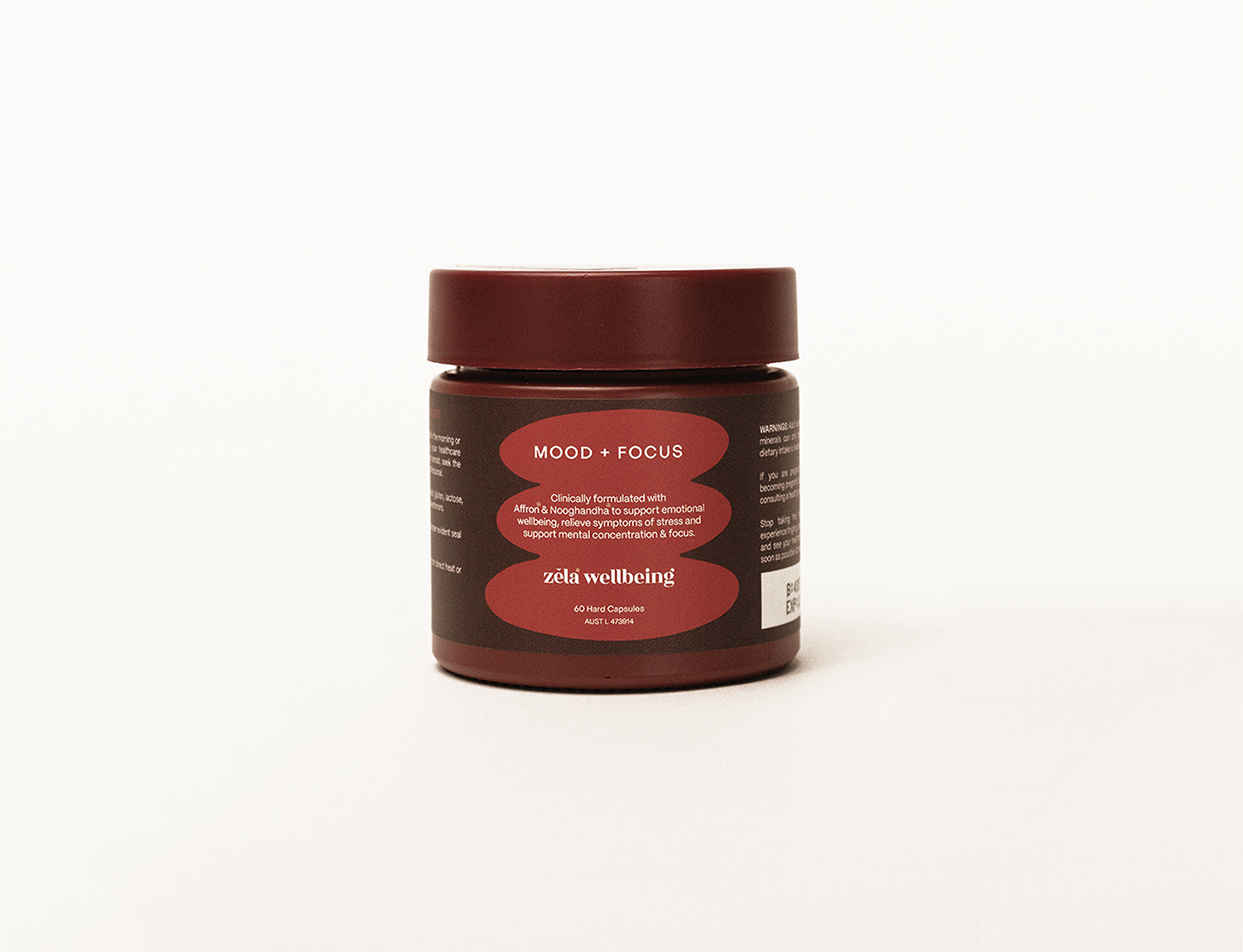
For women seeking targeted biochemical support alongside these nutritional strategies, Zela’s Mood+Focus formula provides morning support for cognitive clarity, emotional steadiness, and stress resilience, while Sleep+Calm supports evening recovery, circadian alignment, and nervous system regulation. These formulations complement nutrient dense dietary patterns, enhancing hormonal resilience and overall balance.
Nutrition is far more than fuel; it is a dynamic regulator of hormonal function. Through consistent, whole food choices, women can support neuroendocrine balance, metabolic health, and emotional wellbeing. When integrated with evidence based biochemical support, such as targeted morning and evening formulations, nutrition becomes a powerful ally in restoring harmony and sustaining long-term hormonal wellbeing.
References:
- Fernstrom, J.D. (2013). Large neutral amino acids and brain function. Journal of Nutrition. PMCID: PMC3650508.
- Simopoulos, A.P. (2011). Importance of omega 3 balance in health and disease. Experimental Biology and Medicine. PMCID: PMC5093369.
- Livesey, G., et al. (2019). Dietary fibre and health outcomes. BMJ. PMCID: PMC6541054.
- Seelig, M.S. (1994). Consequences of magnesium deficiency on the enhancement of stress reactions. Journal of the American College of Nutrition. PMCID: PMC5452224.
- Lerchbaum, E., & Obermayer Pietsch, B. (2012). Vitamin D and fertility. European Journal of Endocrinology. PMCID: PMC3689499.
- Plottel, C.S., & Blaser, M.J. (2011). Microbiome and estrogen metabolism. Cell Host & Microbe. PMCID: PMC3296287.
- Clarke, G., et al. (2014). The microbiome gut brain axis during stress and development. Molecular Endocrinology. PMCID: PMC4133286.
- Lee, Y.K. (2012). Kiwifruit (‘Actinidia deliciosa’) changes intestinal microbial profile. Microbial Ecology in Health and Disease, 23. doi:10.3402/mehd.v23i0.18572.
- Monteiro, C.A., et al. (2019). Ultra processed foods and health outcomes. Public Health Nutrition. PMCID: PMC6747944.
- Lustig, R.H., et al. (2012). The toxic truth about sugar. Nature. PMCID: PMC3892182.
- Arble, D.M., et al. (2009). Circadian timing of food intake contributes to weight gain. Obesity (Silver Spring). PMCID: PMC3499064.